
29A Chestnut Street, Beacon Hill, Boston, MA · 1810s
The Purple Panes of Chestnut Street
by Admin4 days agoarchitecture
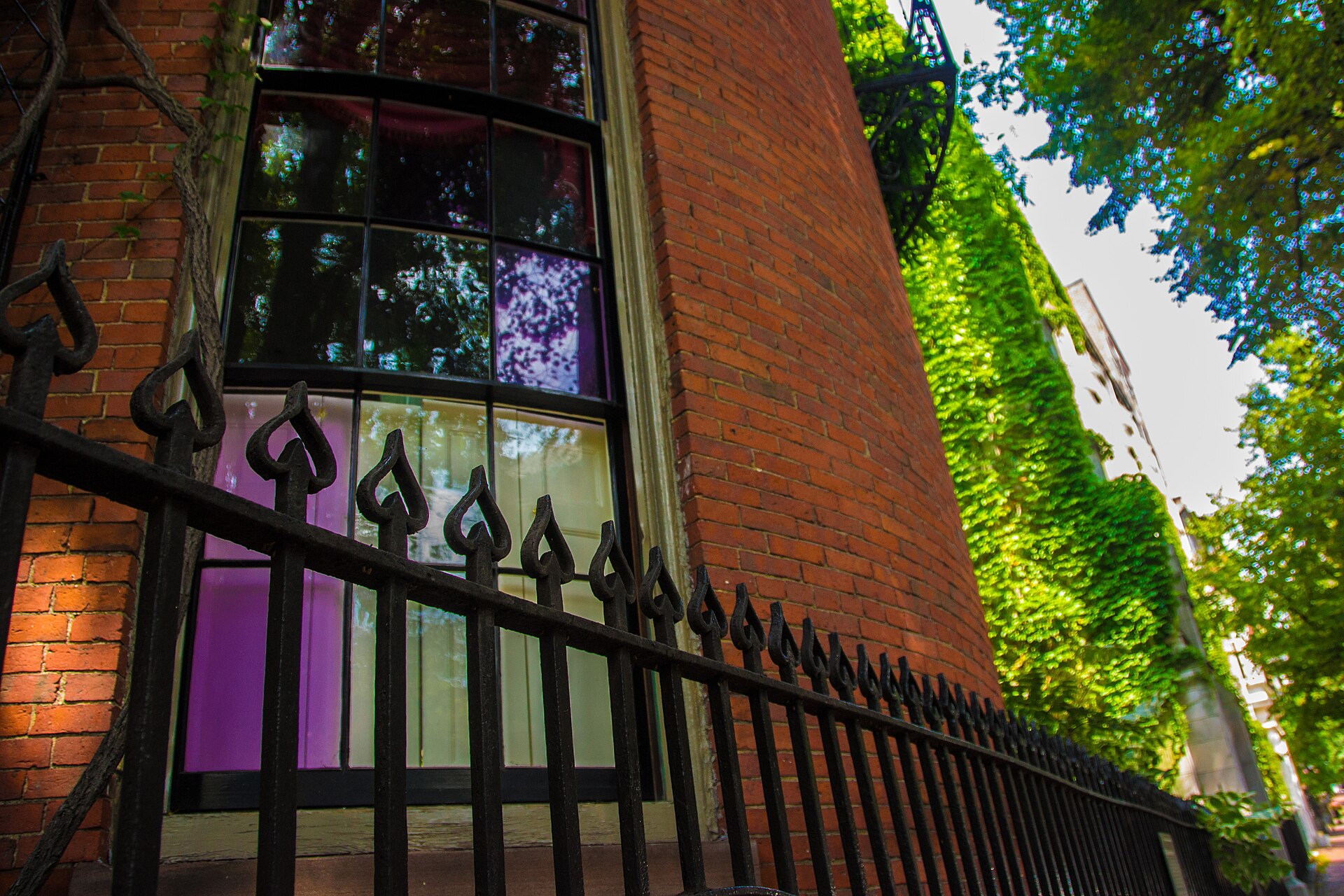
Look closely at the windows of 29A Chestnut Street on Beacon Hill and a few of the old panes are faintly violet. They were clear when they were set. In the early nineteenth century, glassmakers added manganese oxide to cancel the greenish tint of ordinary glass. Over years of sunlight, the ultraviolet light slowly turned that manganese purple. The story most often told is that a single shipment of English glass installed on Beacon Hill between about 1818 and 1824 carried too much manganese, and the houses that received it changed color. What began as a flaw became a mark of an old address, and by the early twentieth century some owners were deliberately fitting tinted glass to imitate it. The originals can't be replaced in kind, so as panes break, they disappear. On Chestnut Street and a few houses on Beacon Street, the survivors still catch the afternoon light.
- Sources
- Tags
Discussion
Sign in to join the discussion
No comments yet
Be the first to share your thoughts on this lore!